1. Conduct a Site Assessment
Begin with a professional solar site survey. The assessment measures roof orientation, shading, and structural integrity. Tools such as Google’s Project Sunroof and the National Renewable Energy Laboratory’s (NREL) PVWatts Calculator provide preliminary estimates of potential generation.
2. Size the System Appropriately
Calculate your average monthly consumption (kWh) from past utility bills. A rule of thumb is that a 1 kW system produces roughly 1,300 kWh per year in the continental U.S. Adjust the size to cover 70‑80 % of your usage for optimal net‑metering benefits while maintaining a buffer for future load growth.
3. Choose the Right Technology
Monocrystalline panels deliver the highest efficiency (up to 22 %) and are ideal for limited roof space. Polycrystalline modules offer a lower cost per watt but require more area. If you anticipate nighttime usage, consider integrating lithium‑ion battery storage to capture excess daylight generation.
Table of Contents
4. Secure Permits and Interconnection Agreements
Most jurisdictions require electrical and building permits, as well as an interconnection agreement with the local utility. The process varies: some utilities provide an online portal for expedited approvals, while others still rely on manual paperwork. Early engagement with the utility can prevent delays.
5. Evaluate Financing Options
Compare cash purchase, solar loans, and PPAs. A cash purchase maximizes long‑term savings but demands higher upfront capital. Loans with a term of 10‑15 years spread costs and often qualify for the ITC. PPAs eliminate upfront costs entirely, though the homeowner pays a fixed rate per kWh, typically 10‑20 % lower than utility rates.
6. Install and Commission
Qualified installers will mount the racking, attach the panels, wire the inverter, and connect the system to the grid. After installation, the utility conducts a final inspection before the system can start feeding electricity. Most installers offer a 25‑year performance warranty on the panels and a 10‑year warranty on the inverter.
Common Pitfalls and How to Avoid Them
Even experienced homeowners can stumble if they overlook key considerations.
- Under‑estimating shading: Even partial shade from nearby trees or chimneys can cut panel output by up to 30 %. Use a shading analysis tool or hire a professional to map solar access throughout the year.
- Choosing the cheapest inverter: Low‑quality inverters may fail early, eroding ROI. Opt for reputable brands with at least a 10‑year warranty.
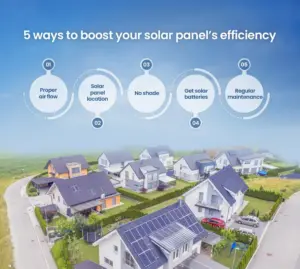
- Neglecting maintenance: Panels require periodic cleaning, especially in dusty regions. A simple rinse with de‑ionized water twice a year maintains >95 % efficiency.
- Ignoring future load changes: Home upgrades—electric vehicles, heat pumps—can dramatically increase demand. Design the system with expansion capability to accommodate growth.
Financial Projections: What the Numbers Say in 2026
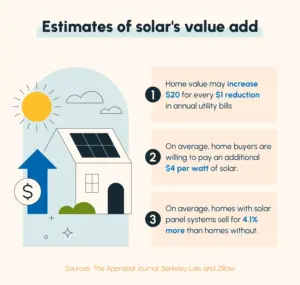
The Solar Energy Industries Association (SEIA) released its 2026 Market Outlook, indicating an average residential system cost of $2.55 per watt after incentives. For a typical 6 kW installation, the net cost is about $15,300. With an average electricity rate of $0.17/kWh, annual savings hover around $1,300, delivering a simple payback of 11‑12 years. However, when accounting for the 30 % ITC and state rebates, the effective payback shortens to 5‑7 years, and the internal rate of return (IRR) climbs to 9‑12 %.